Foundation Assessment
Start with a roadmap that makes the future supportable.
The Kumo Foundation Assessment produces a clear, prioritized plan for modernizing your home or office— so you can move forward with confidence, not complexity.
What’s included
- Power & capacity baseline: Current electrical load, panel capacity, service rating, and growth headroom
- Resilience review: Backup readiness, critical loads, and continuity planning
- Connectivity & monitoring foundations: Network infrastructure, escalation paths, calm monitoring readiness
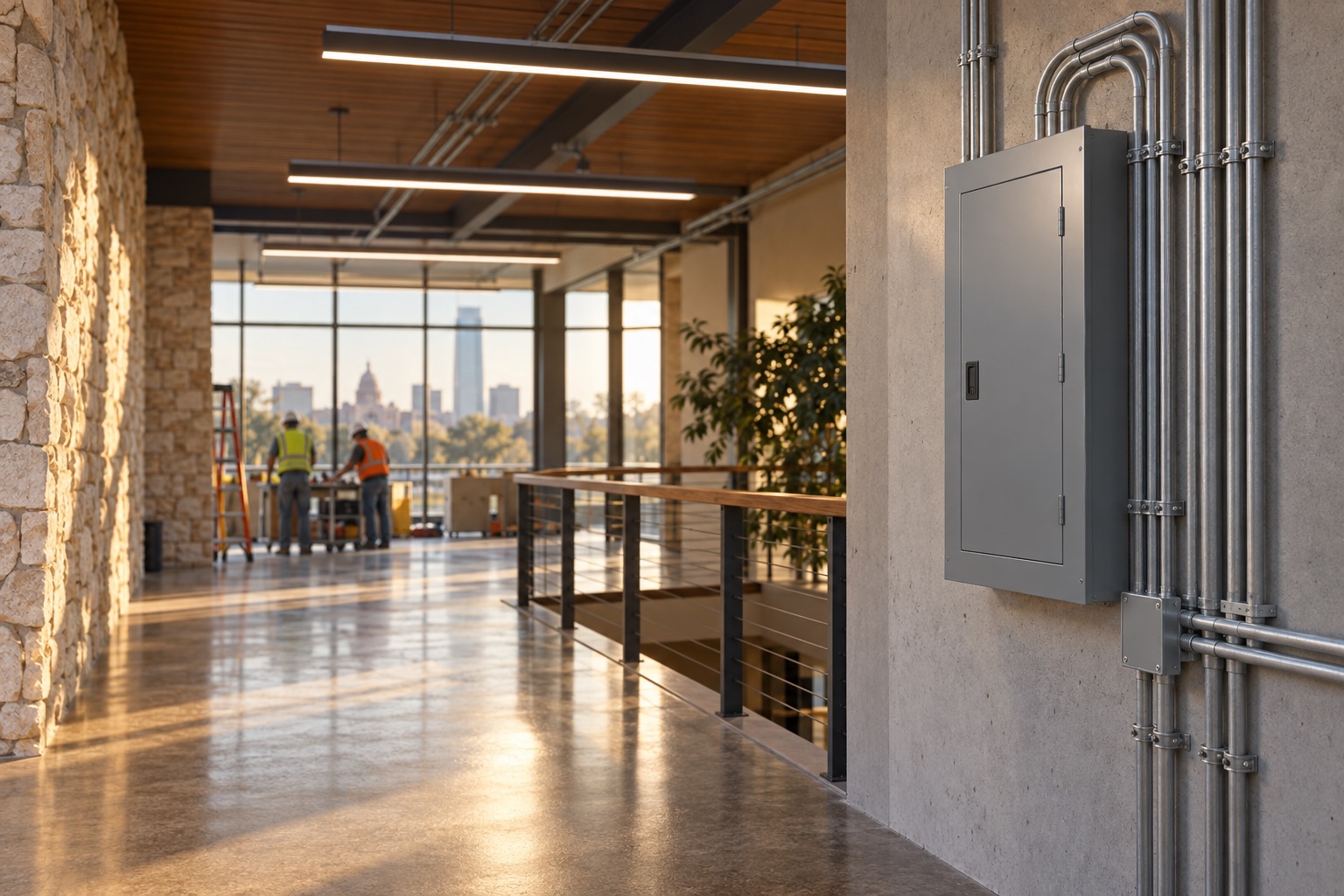
- Physical readiness: Space constraints, access, and safety considerations for future systems
- Phased transformation roadmap: Sequenced plan that avoids rework and vendor sprawl
Investment
Residential: $3,000 – $6,000
Commercial: $6,000 – $15,000
Assessment fees are credited toward approved projects.
Who this is for
- Homeowners planning long-term living or aging-in-place
- Families supporting aging parents
- Working households seeking calmer operations
- Small professional offices (clinics, law firms, practices)
- Family offices and long-term asset owners
Next steps
After the assessment, you receive:
- Written findings and baseline report
- Phased roadmap with cost estimates
- Clear recommendation on sequencing
- Optional: implementation proposal
The assessment process
Structured, documented, and designed to produce clarity—not overwhelm.
Step 1
Initial conversation
We discuss your goals, constraints, and timeline. This takes 30-45 minutes and can be done remotely.
Step 2
On-site evaluation
We visit the property to assess power, space, safety, and readiness. This typically takes 2-4 hours.
Step 3
Findings & roadmap
Within two weeks of the site visit, you receive a written report with findings, a roadmap, and planning-level cost ranges. Firm pricing comes with the written proposal.
Step 4
Review & decision
We review the roadmap together. You decide if and when to proceed—no pressure, no sales tactics.
Common questions
Do I need to know what I want before the assessment?
No. Many customers come to us knowing they want resilience, safety, or reduced burden—but not the technical path. The assessment helps translate goals into a working plan.
What if I’m not ready to start work immediately?
That’s fine. The assessment produces a roadmap you can execute now or later. Some customers use it for budgeting and phased planning over several years.
Can I get the assessment fee back if I don’t proceed?
Assessment fees are non-refundable, but they are fully credited toward approved transformation projects.
How long does the assessment take?
On-site evaluation takes 2-4 hours. Written findings and roadmap are delivered within two weeks of the site visit.
Do you serve areas outside Texas?
Central Texas is our primary service area; assessments elsewhere in Texas are available by arrangement. We do not currently serve customers outside Texas.
First-category assessment: office power and connectivity
For a small-office resilience project, start with the essential loads and work that must continue, site electrical information, internet options, equipment ownership, and the owner’s budget and disruption tolerance.
Illustrative assessment output
Finding: the office has one internet connection and undocumented network equipment. Next step: evaluate an independent backup connection and qualified installation. Acceptance: demonstrate agreed failover and recovery, document the configuration, and hand account access to the owner. This example is illustrative, not a completed Kumo project.
The written proposal defines the actual deliverables, responsible providers, exclusions, price, and timing. Equipment, installation, subscriptions, and ongoing support are separately scoped. The assessment fee ranges published on this page are the fees for the assessment itself; cost ranges in the report are planning context, and the written proposal confirms the price for any project work.